
All Season or Three Season Sunrooms: Which Is Right for You?
Adding a light-filled living space to your home is an exciting idea, but choosing the right type of enclosure can feel overwhelming. Homeowners often find themselves deciding between an all season option and a three season option without fully understanding how each performs, what it costs, and how it fits their lifestyle. Climate, budget, and intended use all play a role, and making the wrong choice can lead to disappointment or underused space.
This guide is designed to give you a clear, practical comparison so you can make a confident decision. We will break down construction differences, comfort levels, energy efficiency, costs, and long-term value. By the end, you should have a realistic picture of which option aligns best with how you live and how you want to use the space year-round.
Understanding the Core Purpose of Each Option
At a high level, the main difference between all season and three season builds is how consistently they can be used throughout the year. An all season build is designed to function as true living space, while a three season build is intended for fair-weather enjoyment. Understanding that fundamental distinction helps frame every other comparison point.
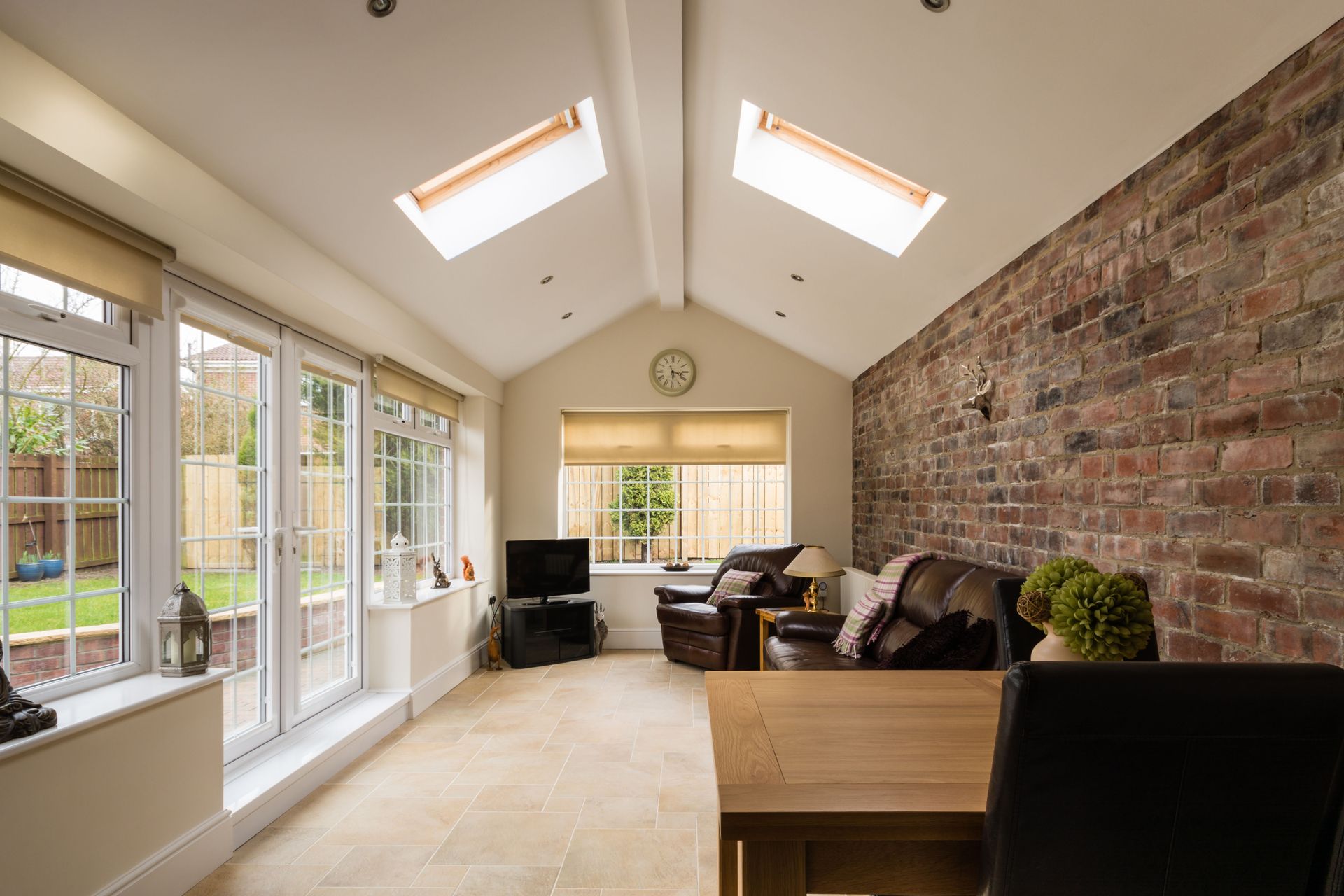
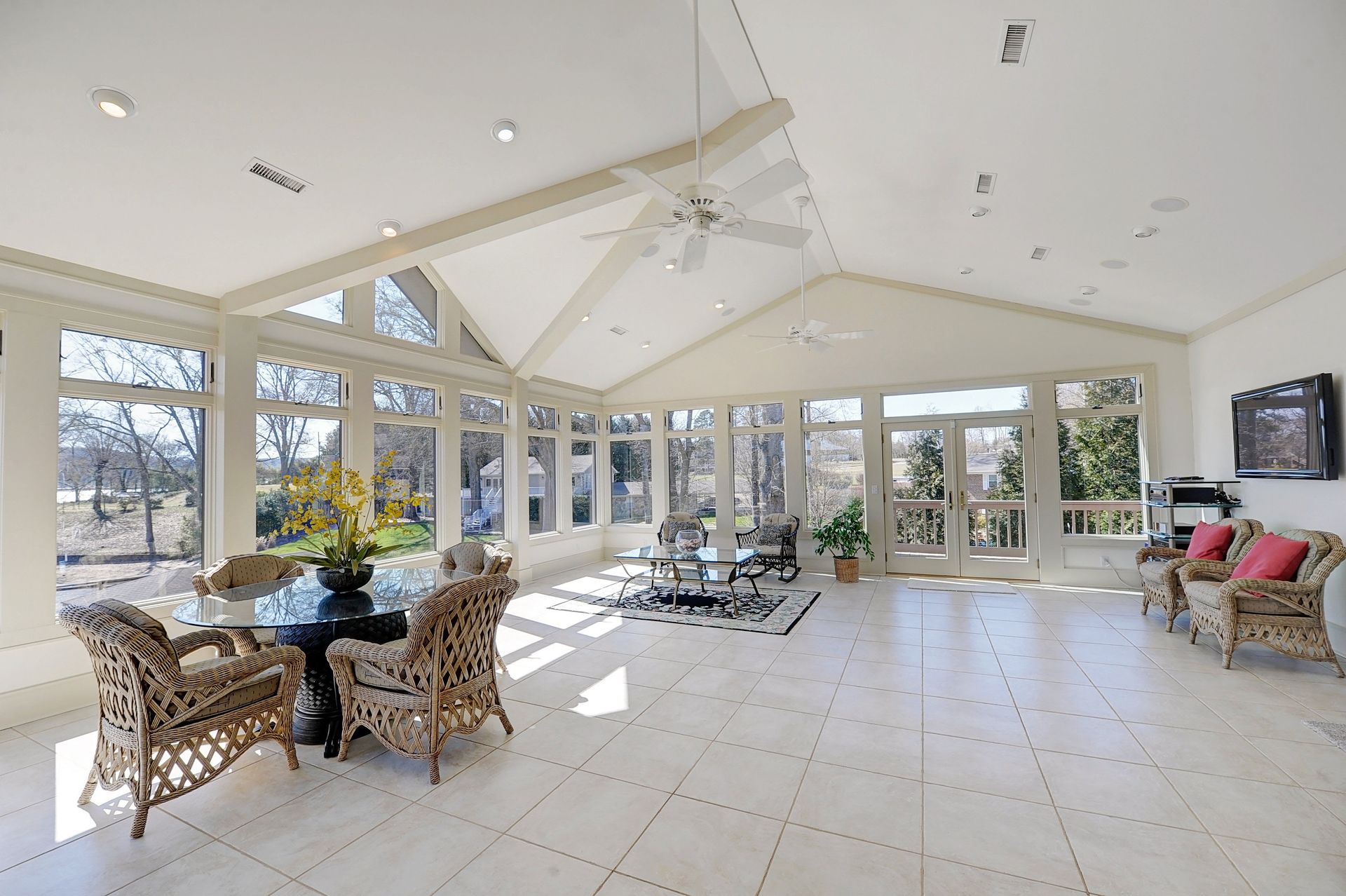
An all season sunroom is constructed with insulation, energy-efficient windows, and HVAC integration that allows it to maintain comfortable temperatures in winter and summer. It often feels like a natural extension of the home rather than a separate enclosure. Many homeowners use it as a family room, home office, or dining space without seasonal limitations.
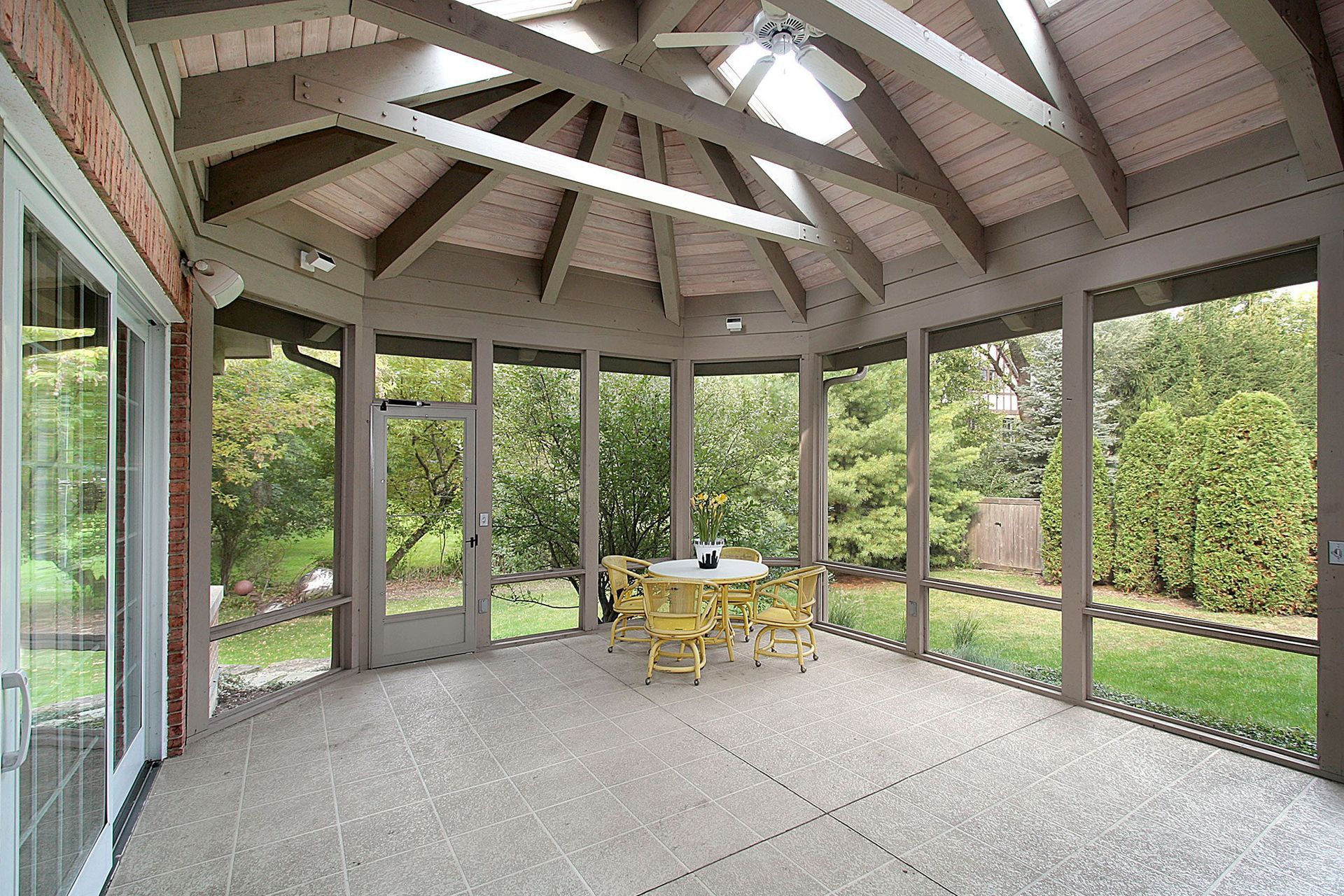
A three season sunroom, on the other hand, is typically built for spring, summer, and fall use. It may feature single-pane or lightly insulated windows and does not usually connect to the home's heating or cooling system. This makes it ideal for enjoying fresh air and natural light when temperatures are mild, but less comfortable during extreme weather.
Comparing Comfort and Climate Control Capabilities
Comfort is often the deciding factor for homeowners choosing between these two options. If you expect the space to feel like any other room in your home, climate control becomes non-negotiable.
All season designs excel in temperature consistency. With insulated walls, double- or triple-pane windows, and proper sealing, the space can stay warm during winter cold snaps and cool during peak summer heat. Ceiling fans, baseboard heaters, or full HVAC connections allow you to fine-tune the environment for daily use.
A three season design prioritizes openness over insulation. Screens or lightweight window systems allow breezes to flow through, which feels great on mild days. However, once temperatures dip too low or climb too high, comfort quickly declines. For homeowners who only plan to use the space part of the year, this tradeoff can be perfectly acceptable.
Evaluating Construction and Material Differences
Construction standards vary significantly between the two options, and those differences affect durability, performance, and cost. Understanding what goes into each build can clarify why pricing and usability differ so much.
All season builds typically use insulated wall panels, thermally broken frames, and high-performance glass. Roofing systems may include insulated panels or tie directly into the home's existing roofline. These materials are selected to meet residential building codes and withstand year-round exposure.
Three season builds use lighter materials that emphasize airflow and visibility. Aluminum frames, vinyl windows, and simpler roofing systems help keep costs down. While still durable, these materials are not intended to provide full thermal protection, which is why the space remains seasonal rather than year-round.
Assessing Energy Efficiency and Utility Impact
Energy efficiency is a major consideration, especially for homeowners concerned about long-term operating costs. The way each option interacts with your home's heating and cooling system matters more than many people initially realize.
An all season sunroom can be designed to minimize heat loss and solar gain, making it relatively efficient when properly built. High-quality insulation and windows help prevent drafts and temperature swings. While adding square footage may slightly increase utility usage, modern materials keep that increase manageable.
A three season sunroom typically has minimal impact on utilities because it is not conditioned space. Since it is not heated or cooled year-round, it does not draw from your HVAC system. This makes it appealing for homeowners who want additional space without committing to higher monthly energy costs.
Understanding Cost and Budget Implications
Budget often plays a decisive role, and the cost gap between all season and three season options can be substantial. Knowing where those costs come from helps you evaluate value rather than just price.
All season builds are more expensive upfront due to higher-grade materials, labor, and mechanical integration. Electrical work, HVAC connections, and insulation add to the overall investment. However, the result is a space that functions as true living area, which many homeowners find justifies the expense.
Three season builds are generally more affordable and faster to complete. Fewer structural modifications and simpler materials keep installation costs lower. For homeowners who want a comfortable retreat without a major financial commitment, this option can be an attractive entry point.
Considering Return on Investment and Home Value
Beyond immediate enjoyment, many homeowners consider how an addition affects resale value. While returns vary by market and design quality, there are some general insights worth noting.
According to U.S. News, the potential ROI for building a sunroom is around 49%, meaning nearly half of the investment may be recouped at resale. All season builds tend to contribute more to perceived home value because they function as usable square footage. Buyers often see them as flexible living space rather than a specialty feature.
Three season builds may not deliver the same financial return, but they can still enhance curb appeal and buyer interest. In warmer climates or lifestyle-driven markets, outdoor-oriented spaces are highly desirable. The key is aligning the build with local buyer expectations.
Matching the Right Option to Your Lifestyle
Ultimately, the right choice depends on how you plan to use the space and what you value most. There is no universally correct answer, only the best fit for your household.
If you envision daily use, remote work, entertaining year-round, or creating a seamless extension of your interior living space, an all season sunroom is likely the better match. It supports consistent comfort and long-term functionality.
If your goal is to relax with a book, enjoy morning coffee, or entertain guests during pleasant weather, a three season sunroom may be ideal. It delivers natural light and outdoor connection without the complexity or cost of full climate control.
Planning Permits and Installation Timelines
One additional factor to keep in mind is the planning and approval process. Depending on your location, permits, zoning rules, and inspections may affect how quickly your project moves forward. An all season sunroom often requires more detailed approvals because it is considered livable space, while three season projects may have fewer requirements. Installation timelines also vary, so understanding local regulations early can help set realistic expectations and avoid delays.
Choosing between an all season and three season build comes down to comfort expectations, budget, climate, and intended use. Both options offer meaningful benefits, but they serve different lifestyles. By understanding construction differences, energy performance, costs, and potential return, you can move forward with clarity rather than guesswork.
If you are ready to explore your options in more detail and want guidance tailored to your home and goals, we invite you to take the next step with Patriot Sunrooms. From design consultation to expert installation, we help homeowners choose solutions that deliver lasting value and everyday enjoyment.
Share On: